
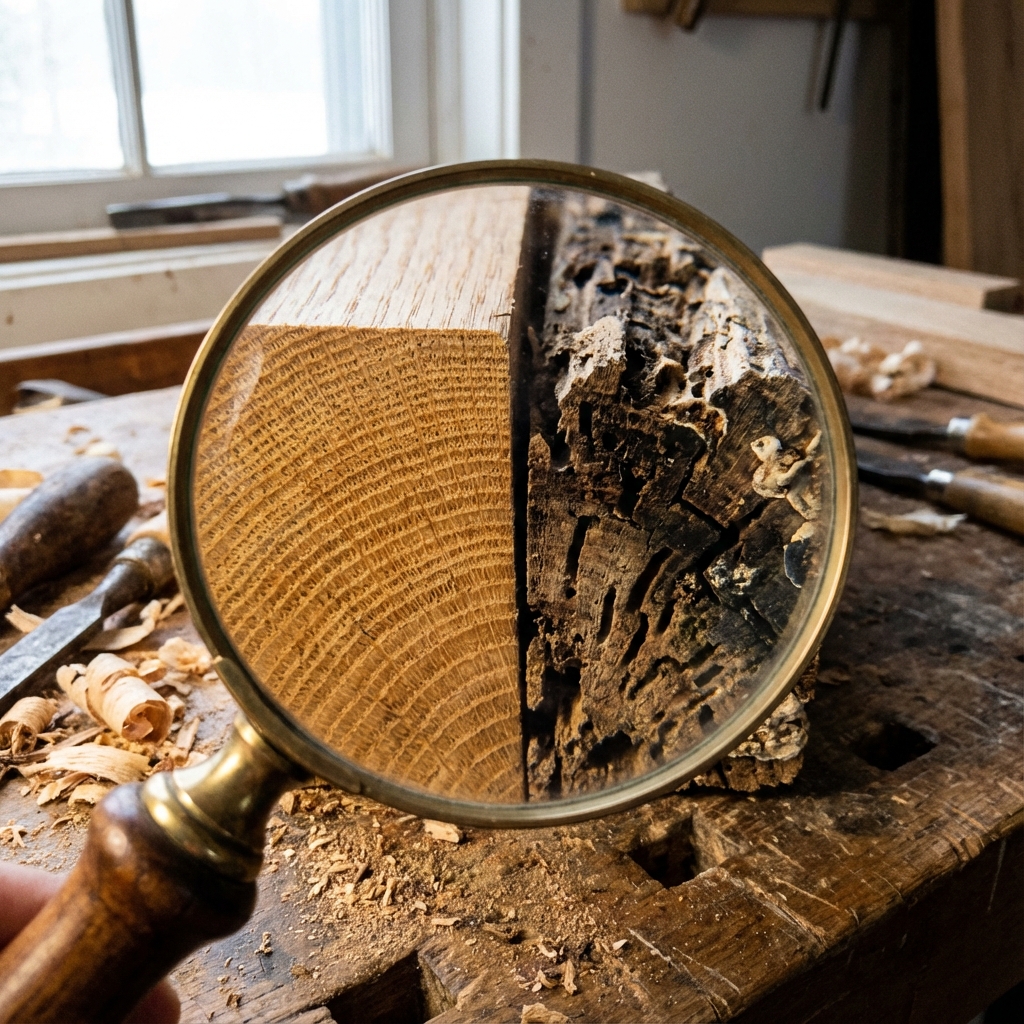
1. Why Long Island Is a High-Risk Zone for Subterranean Termites
Across the United States, termites cause more than $5 billion in structural property damage every year—and standard homeowners insurance policies never cover termite damage. On Long Island, the combination of sandy coastal glacial soils, high water tables, humid summers, and dense mature landscaping makes Nassau and Suffolk Counties prime habitats for Eastern Subterranean Termites (Reticulitermes flavipes).
Because subterranean termites live underground and dehydrate when exposed to open air, they construct concealed mud shelter tubes up foundation walls, inside concrete block cores, and behind porch steps—hollowing out structural sill plates, box headers, and floor joists without leaving obvious surface blemishes.
In concrete-slab homes (such as Levittown Capes and Ranches), termites routinely enter through tiny expansion joints around plumbing penetrations or partitioning walls resting on the slab. During our comprehensive home inspection, we combine physical probing with moisture and thermal scanning to spot concealed activity.
2. Wood-Destroying Insects We Inspect For in NY
A professional Wood-Destroying Insect (WDI) inspection looks beyond just termites. We evaluate your property for all four major wood-destroying organisms found in New York:
| Organism | How They Damage Wood | Key Visual Evidence | Common Long Island Locations |
|---|---|---|---|
| Eastern Subterranean Termites | Consume cellulose along the soft springwood grain, packing galleries with soil and mud | Pencil-sized mud tubes on foundation walls, discarded translucent wings near windowsills, blistered wood | Basement sill plates, rim joists, garage door frames, dirt crawlspaces |
| Carpenter Ants | Excavate smooth, sandpaper-like galleries inside damp or decaying wood to build nests (do not eat wood) | Coarse sawdust-like piles ("frass") containing insect parts beneath baseboards or beams | Leaking roof eaves, window headers, damp porch columns, rotted deck ledger boards |
| Powderpost Beetles | Larvae tunnel through seasoned hardwoods and structural framing over multiple years | Tiny 1/16-inch "shotgun" exit holes accompanied by fine, talcum-powder-like wood dust | Unfinished attic rafters, barn beams, older hardwood subfloors, crawlspace joists |
| Carpenter Bees | Bore perfectly round 1/2-inch holes into unpainted exterior trim and fascia boards | Round entry holes on underside of soffits/fascia with yellowish staining below | Cedar siding, wood pergolas, eaves, fascia boards, detached garage trim |
3. Five Critical Areas We Probe During a WDI Inspection
Our WDI inspection goes into the tightest corners of the property where wood meets masonry or soil:
1. Sill Plates & Rim Joists
- Probing perimeter wood resting atop foundation walls
- Checking for previous chemical drill holes (bait/trench treatment)
2. Earth-to-Wood Contact
- Wood siding, deck posts, and stairs touching soil or mulch
- Basement hatchways, Bilco doors, and window wells
3. Garage & Porch Framing
- Garage door jambs and concrete-to-framing transitions
- Concrete front steps poured against wood sheathing
4. Moisture-Prone Zones
- Crawlspaces, bath traps, and beneath kitchen sinks
- Attic rafters near roof valley or chimney leaks
4. FHA, VA & Conventional Mortgage NPMA-33 Requirements
If you are purchasing a home on Long Island or in NYC using a VA loan, FHA loan, or certain conventional mortgages, your lender will require an official NPMA-33 Wood-Destroying Insect Inspection Report prior to closing.
Our report clearly documents:
- Whether visible evidence of active or previous wood-destroying insect infestation was observed.
- Whether evidence of prior treatment (such as foundation drill marks from sub-slab termiticide injection) is present.
- Whether any damaged structural wood members require repair or reinforcement by a qualified contractor.
For complete home buyer protection, we recommend pairing your WDI inspection with our Complete Long Island Home Inspection and Continuous Radon Testing.